
Conversations, Not Campaigns
By Phonovation — trusted SMS delivery for Irish organisations.
Introduction
A customer receives a reminder, an offer, a quote, or an update and has a question.
They want to change a booking, check a detail, compare an option, or understand what happens next. If they cannot get an answer in that moment, the interaction stalls. Sometimes they wait. Often they leave.
For businesses, those moments matter. A delayed response can mean an abandoned purchase, a missed booking, a lost lead, or a customer choosing a competitor that was easier to engage with.
That is why communication is no longer just about sending information. It is about helping customers move forward when they are ready to act.
Customers do not just want businesses to send them information anymore. They want to be able to respond.
In the past, that usually meant clicking away, calling a team, filling out a form, or waiting for someone to come back to them. Now, customers expect the interaction to continue in the same place it started.
That is the shift businesses are now adapting to. Messaging is no longer just about sending information, it is about continuing the interaction.
One-way messaging still has an important role. It is often the fastest and most effective way to send simple reminders, alerts, confirmations, and updates. But when a customer needs to make a decision, ask a question, or get reassurance before taking action, a message on its own is no longer enough.
For those moments, businesses need conversations, not just campaigns.
Why Businesses Need Conversations
Businesses are seeing growing demand for conversational experiences, but that expectation did not appear overnight.
It developed gradually through the way people already communicate in their everyday lives.
Messaging apps changed what customers consider normal. People are used to asking questions and getting responses instantly.
They message friends, colleagues, delivery drivers, banks, retailers, and service providers all within the same apps.
Over time, that behaviour has shaped what people expect from businesses too.
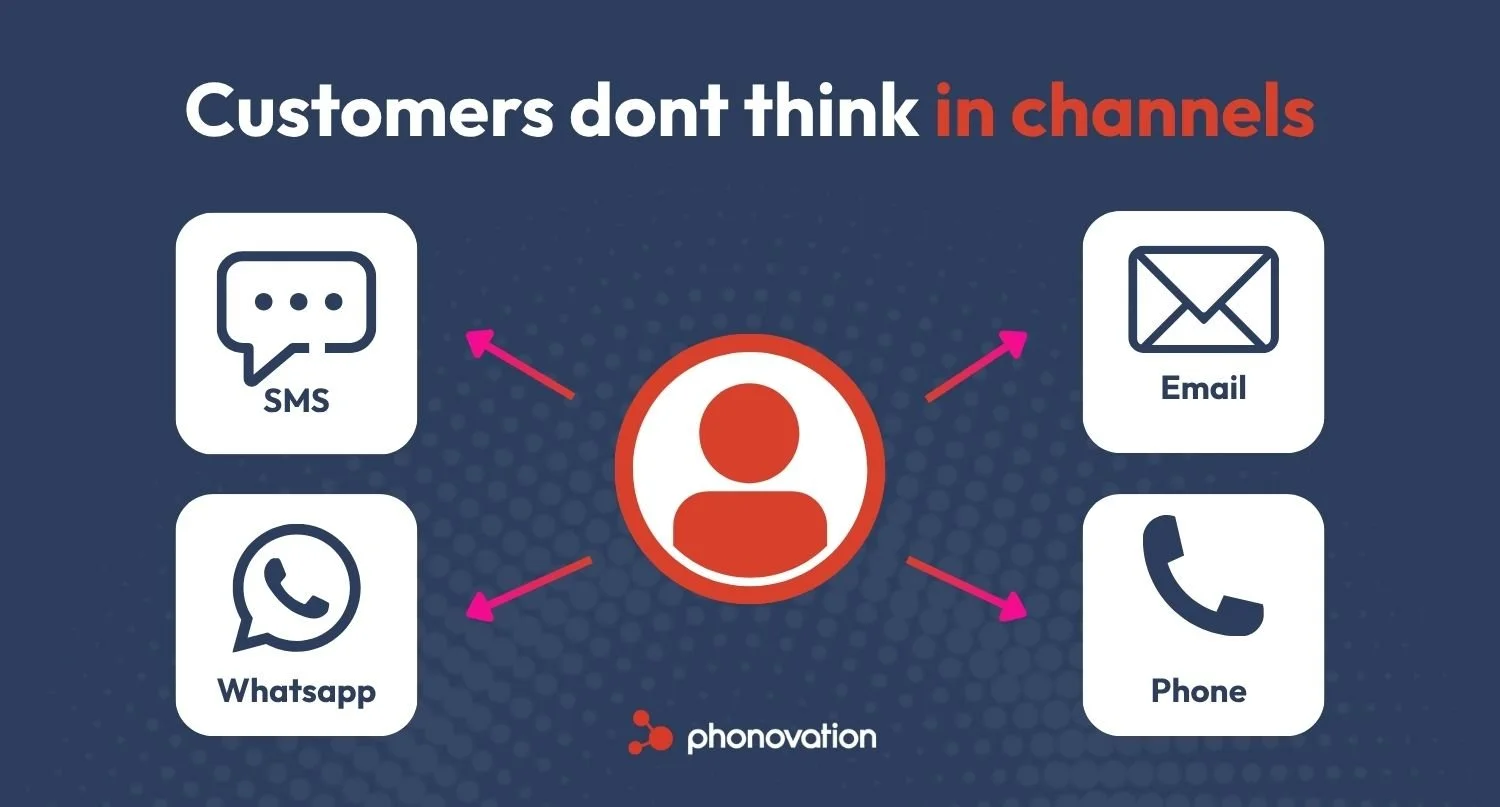
Customers no longer think in terms of channels. They are not deciding whether something should happen over email, phone, or SMS.
They are simply trying to complete a task in the easiest possible way. If a message creates a question, they expect to be able to ask it immediately.
That is where one-way communication starts to feel limiting.
A customer receives a promotional message but wants to check whether a product is available in their size.
A reminder comes through, but they need to reschedule. A quote arrives, but they want clarification before committing.
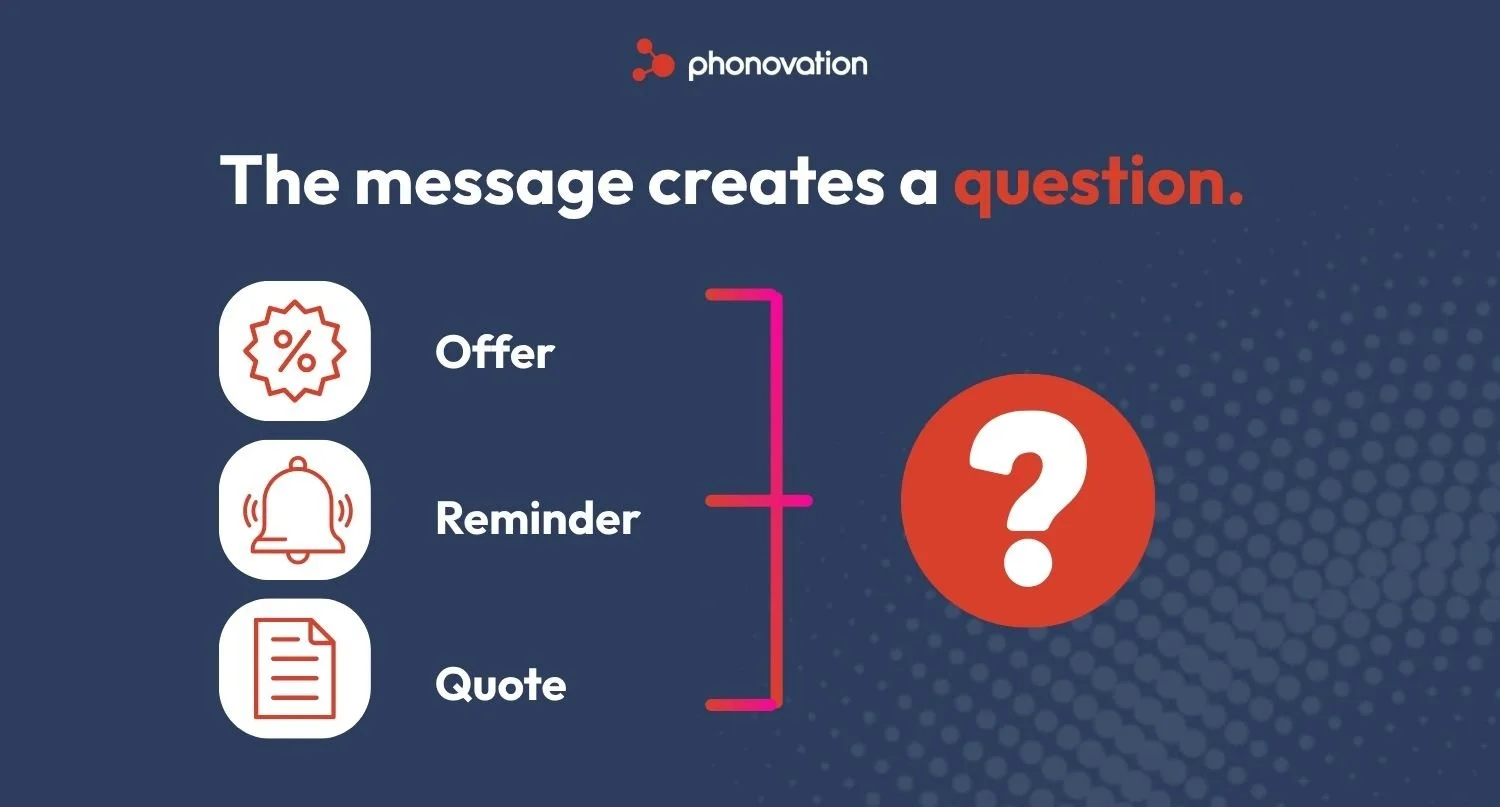
In each case, the customer is already engaged, but the interaction stalls because the message was designed to deliver information, not continue the conversation.
For years, businesses structured communication around campaigns. Send the message, include a link, direct customers elsewhere if they need more information.
That approach still works for simple interactions, but it creates friction the moment uncertainty appears.
Modern customers are far less willing to tolerate that friction.
For businesses, that means every additional step in the customer journey creates another opportunity for drop-off.
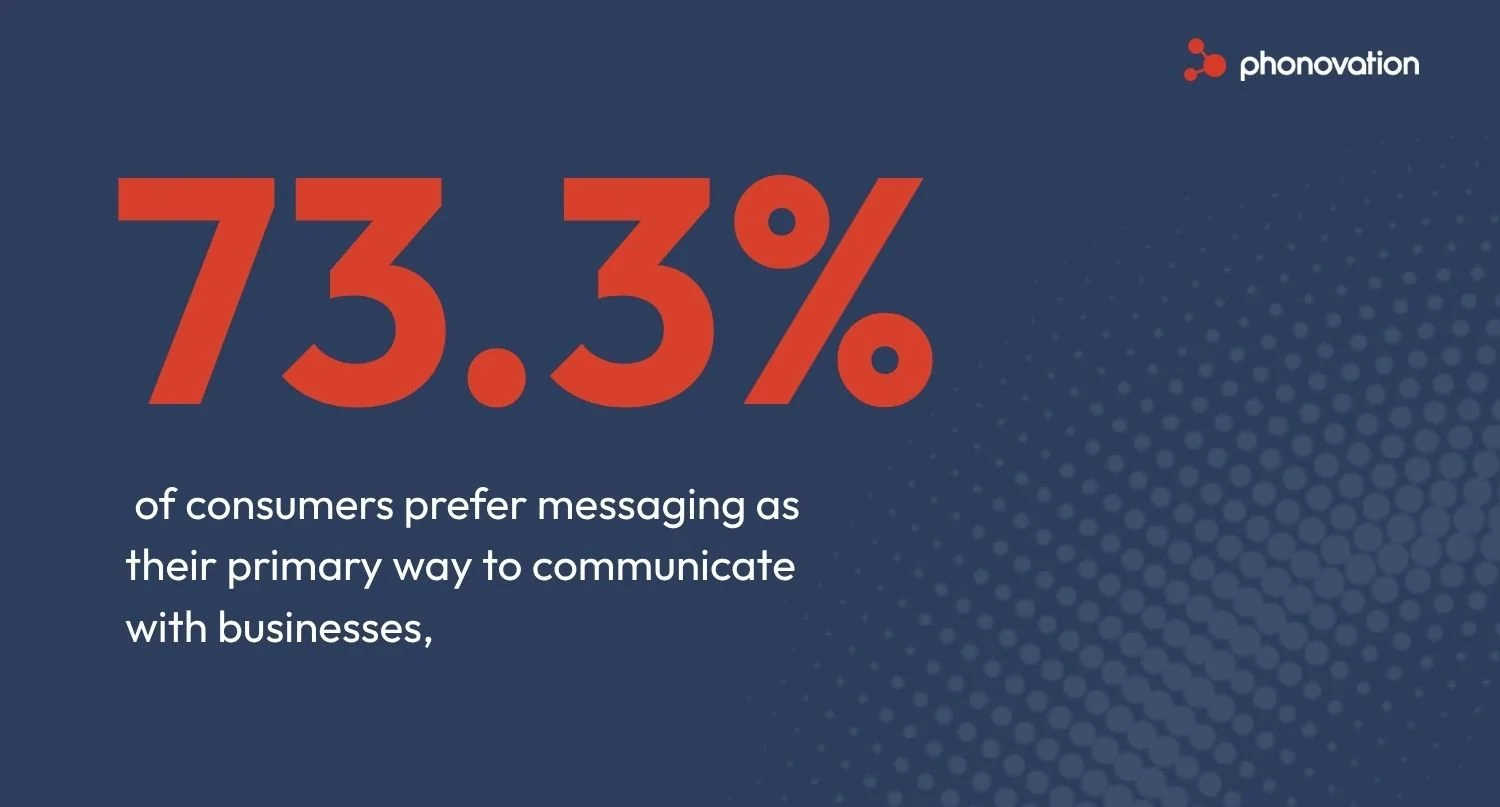
Research by Meta found that 73.3% of consumers now prefer messaging as their primary way to communicate with businesses, while 71% say messaging is easier than calling.
The reason is not difficult to understand. Messaging feels immediate, low effort, and convenient. Customers can respond in the moment rather than restarting the interaction somewhere else.
That convenience matters more than many businesses realise. The easier it is for a customer to continue an interaction, the more likely they are to stay engaged with it.
Customers increasingly expect businesses to communicate the same way people already communicate with each other: quickly, conversationally, and without unnecessary friction.
Businesses that fail to meet those expectations risk losing customers at the exact moment they are ready to act.
The businesses adapting fastest are not necessarily sending more messages. They are making it easier for customers to continue the interaction once it begins.
What Conversations Do for a Business
The shift towards conversations is not just about improving customer experience. It has a direct impact on business outcomes.
One-way campaigns work well when the customer already has everything they need to take action.
But many interactions are not that straightforward. Customers hesitate. They compare options. They need reassurance before committing. They have questions that determine whether they move forward or drop off entirely.
According to Meta's State of Business Messaging report, 72.4% of consumers are more likely to purchase from brands that offer messaging.
The same report found that 66.8% of consumers feel frustrated when a business does not offer messaging as a contact option.
The pattern behind those figures is important. Customers increasingly expect businesses to be accessible in the moment they are ready to act.
When that expectation is not met, friction appears. Customers leave the interaction to search FAQs, wait on hold, or look elsewhere for answers.
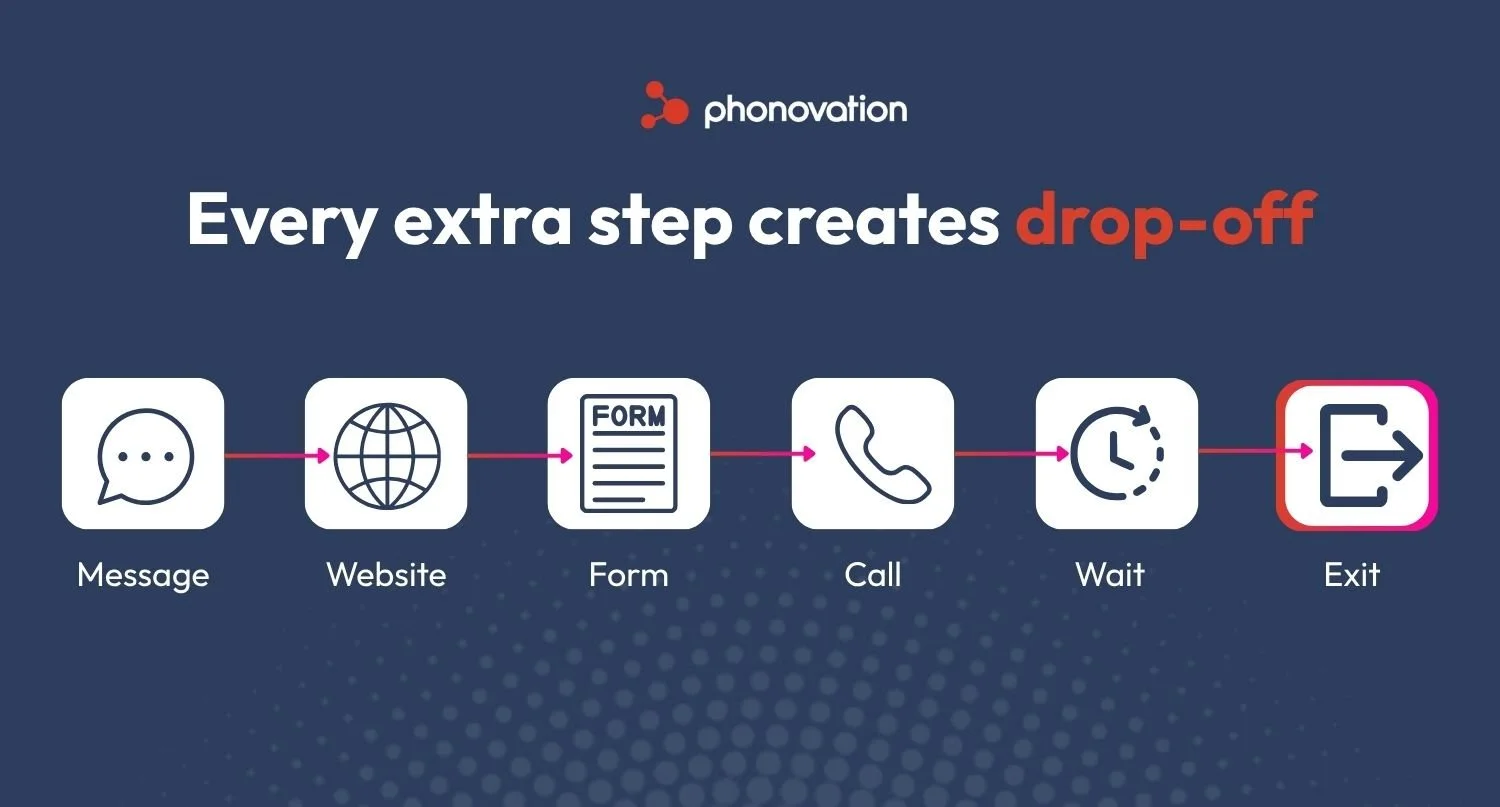
Every extra step creates another opportunity for hesitation, drop-off, and lost revenue.
Conversations reduce those gaps.
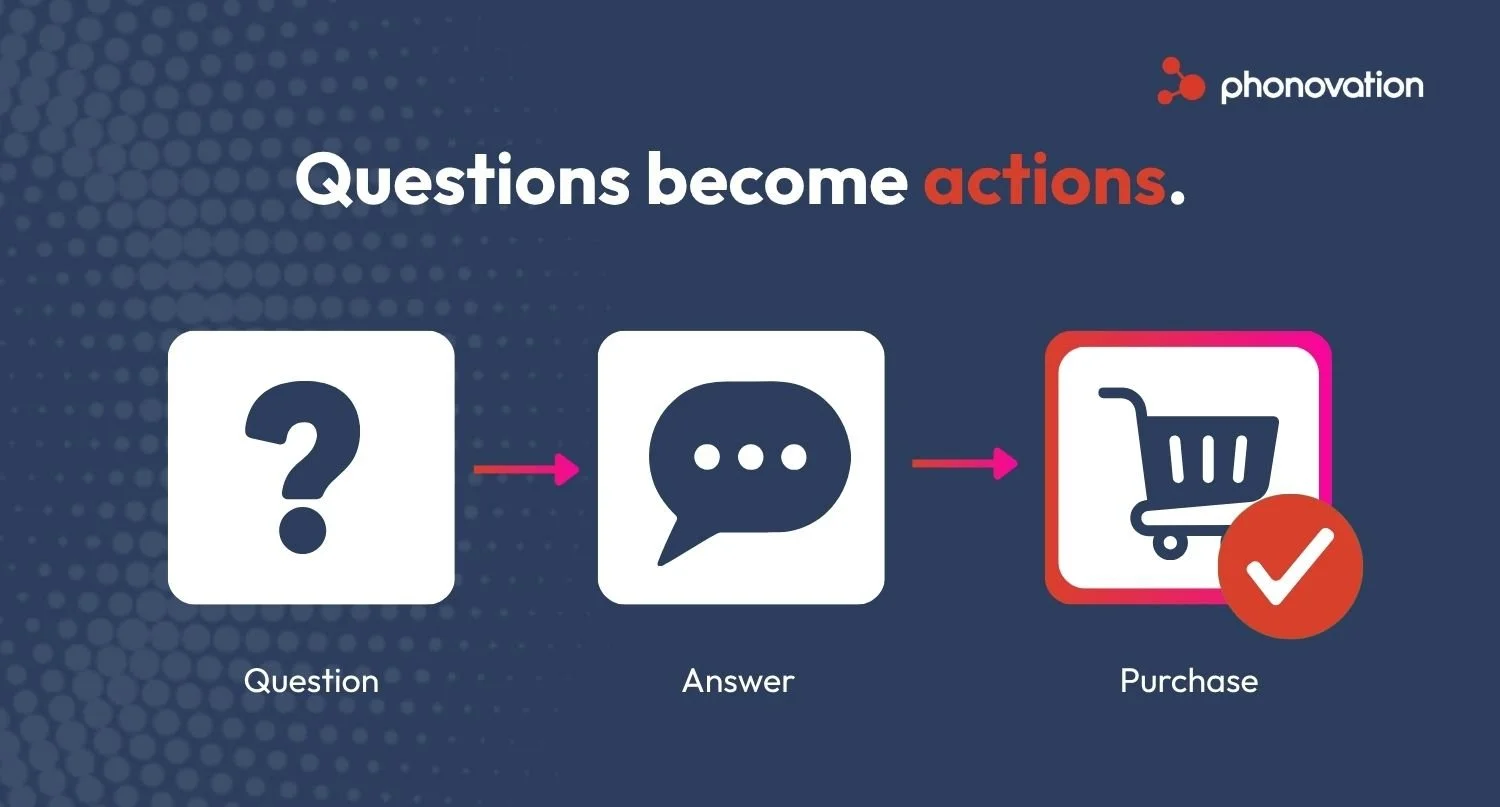
Instead of forcing customers to leave the interaction to search for answers elsewhere, businesses can resolve uncertainty immediately and keep momentum moving.
That alone creates value, but the commercial impact goes further.
The commercial impact of conversational messaging is already visible across industries.
Infobip customer examples show businesses achieving stronger engagement and conversion outcomes through conversational experiences, including a 138% increase in leads, a 42% increase in sales using WhatsApp chatbots, and a 71% increase in conversion rates.
Other brands have reported dramatically faster response times and significantly higher customer engagement through conversational messaging strategies.
The evidence points to a clear conclusion. When businesses make it easier for customers to get answers and continue moving forward, customers are more likely to convert.
That changes the role messaging plays in the buying process.
Messaging is no longer just a way to send promotions or updates. It has become a tool for helping customers make decisions.
Questions can be answered instantly, options can be clarified in real time, and hesitation can be reduced before it turns into drop-off.
That is where Phonovation's conversational tools come in. When a customer is weighing a decision, a broadcast message can start the conversation, but only a two-way exchange can finish it.
The ability to respond in the moment, answer the question that would otherwise cause a drop-off, and keep the customer moving forward is what separates a conversation from a campaign.
This is especially important in moments where customers are weighing choices. A single unanswered question can stop momentum completely.
A conversation keeps the interaction active and helps businesses capture opportunities that might otherwise be lost.
The businesses seeing the strongest results are not simply broadcasting more messages. They are reducing friction inside the interaction itself.
That distinction matters. Customers do not want longer processes. They want easier ones. Businesses benefit when those easier experiences lead to more completed purchases, bookings, and enquiries.
When One-Way Messaging Is Still the Right Choice
The rise of conversational messaging does not mean one-way communication is disappearing. In many situations, it is still the most effective option.
Simple informational messages do not always need a conversation attached to them. In fact, adding unnecessary interaction can make the experience worse rather than better.
A customer receiving a one-time password does not want a conversation. They want speed and reliability.
The same applies to payment confirmations, delivery notifications, outage alerts, and security updates. These interactions are designed to communicate clear information quickly, and one-way messaging handles them extremely well.
This is why channels like SMS remain such an important part of business communication strategies. Despite the growth of conversational channels, SMS continues to play a critical role for urgent and time-sensitive communication because of its speed, reach, and reliability.
Broadcast messaging also remains highly effective for awareness and reach. Promotions, announcements, flash sales, and general updates can all perform extremely well as one-way campaigns, especially when the customer does not need additional clarification to act.
The mistake businesses sometimes make is treating every interaction the same way.
Not every message needs to become a conversation. But businesses increasingly need the ability to recognise the moments where a conversation would help the customer move forward more easily and improve outcomes.
The strongest communication strategies now combine both approaches. One-way messaging handles simple information delivery efficiently, while conversational messaging supports the moments where customers need guidance, reassurance, or answers before taking action.
When to Use a Campaign and When to Start a Conversation
The simplest way to decide between a campaign and a conversation is to ask one question:
Is the customer likely to have a question or need to make a decision?
If the answer is no, one-way messaging is often the right approach.
But if the interaction involves uncertainty, comparison, hesitation, or decision-making, conversations become far more valuable.
A customer exploring products may want recommendations before purchasing. Someone receiving a quote may need clarification before committing.
A customer considering a renewal may want reassurance before deciding whether to continue. In these situations, a one-way message often creates a dead end.
The customer has to leave the interaction to find answers elsewhere, and every extra step increases the risk of drop-off.
For businesses, those moments can directly affect conversion rates, customer retention, and revenue.
Conversations solve that problem by allowing businesses to respond while the customer is still engaged.
This is why conversational messaging is becoming increasingly important across sales, support, and customer service. Customers expect businesses to be reachable in the moment they need help progressing.
The key difference is not really about channels. It is about intent.
One-way campaigns deliver information efficiently. Conversations help customers continue moving forward when information alone is not enough.
Businesses that understand that distinction are far better positioned to create communication experiences customers actually want to engage with and that deliver stronger commercial results.
Conclusion
One-way messaging is still essential for fast, efficient communication. Businesses will always need reliable ways to send reminders, alerts, confirmations, and updates at scale.
But customer expectations have changed. Increasingly, people expect businesses to respond as well as communicate.
For businesses, the cost of not meeting those expectations can be significant. Unanswered questions create friction. Friction creates hesitation. Hesitation creates drop-off.
That shift is moving messaging away from simple information delivery and towards real-time interaction. Customers want to ask questions, clarify decisions, and continue conversations without switching channels or restarting the process elsewhere.
The businesses adapting best are not replacing campaigns entirely. They are recognising when a conversation helps customers move forward more easily.
Because in the moments that matter most, customers do not just want messages. They want answers.
Want to learn more about the moments where customers hesitate, drop off, or abandon decisions entirely?
Download The Hesitation Report to see exactly where customers hesitate, why they drop off, and what businesses are doing to keep them moving forward.