
The Complete Guide to SMS Messaging in Ireland (2026)
How Irish organisations can communicate clearly, safely and effectively in a changing messaging landscape.
Why SMS Still Leads in 2026
In 2026, Irish organisations have more ways than ever to reach customers. Apps, email, social media, push notifications, live chat, WhatsApp and emerging RCS channels all have their place. Yet when something truly matters, whether it is a fraud alert, a hospital appointment, a delivery update or a verification code, most Irish people still expect one thing:
A text message.
While new channels continue to emerge, SMS adoption is still rising. Recent global research shows that SMS usage has grown by around twenty five percent year on year since 2022, as more organisations make SMS a core part of their customer communication.
SMS remains Ireland’s most dependable channel
SMS is Ireland’s most reliable, most universal and most trusted way to reach people. It does not depend on apps, logins or data plans, and it does not rely on whether someone has recently opened an app or updated their phone.
If a person has a mobile phone in Ireland, you can reach them through SMS.
Why Irish organisations rely on SMS every day
For businesses and public sector teams across the country, SMS has become the backbone of daily communication. It supports essential tasks such as:
• confirming appointments and bookings
• sending delivery and collection updates
• issuing reminders and important alerts
• delivering one time passwords and security codes
• supporting VIP clubs and loyalty programmes
These messages are seen quickly, understood instantly and acted on without confusion.
The channel that consistently delivers
SMS continues to outperform other communication channels in three critical areas. Messages arrive in seconds. They are read almost immediately. They are clear at a glance.
This makes SMS especially powerful for operational messaging such as reminders and alerts, and for marketing messages that rely on consent and high engagement.
A changing environment that demands more clarity
The Irish messaging landscape has changed significantly. Networks have strengthened identity controls. Sender IDs must be registered and consistent. Fraud and smishing attempts have increased, driving tighter filtering across all operators.
Practices that once worked without issue can now result in blocked messages or restricted delivery. SMS is still one of the most effective communication tools available, but it operates within a security conscious and regulated ecosystem.
Why this guide matters in 2026
This guide is designed to help Irish organisations navigate this environment with confidence and clarity. It gives a practical understanding of how SMS delivery works today, what has changed and how to build communication that customers trust.
In this guide, you will learn:
• how SMS messaging actually works in Ireland in 2026
• what has changed with Sender IDs, routing and filtering
• the three types of SMS and the rules that apply to each
• how to design clear, respectful and high performing SMS journeys
• common mistakes that lead to blocked messages, complaints or reduced engagement
• why choosing the right messaging provider now directly affects delivery, trust and return on investment
A dependable foundation for communication
If your organisation sends SMS today or plans to, this guide will help you build clear, compliant and resilient messaging programmes that your customers can trust and your teams can depend on.
Why SMS Continues to Matter in 2026
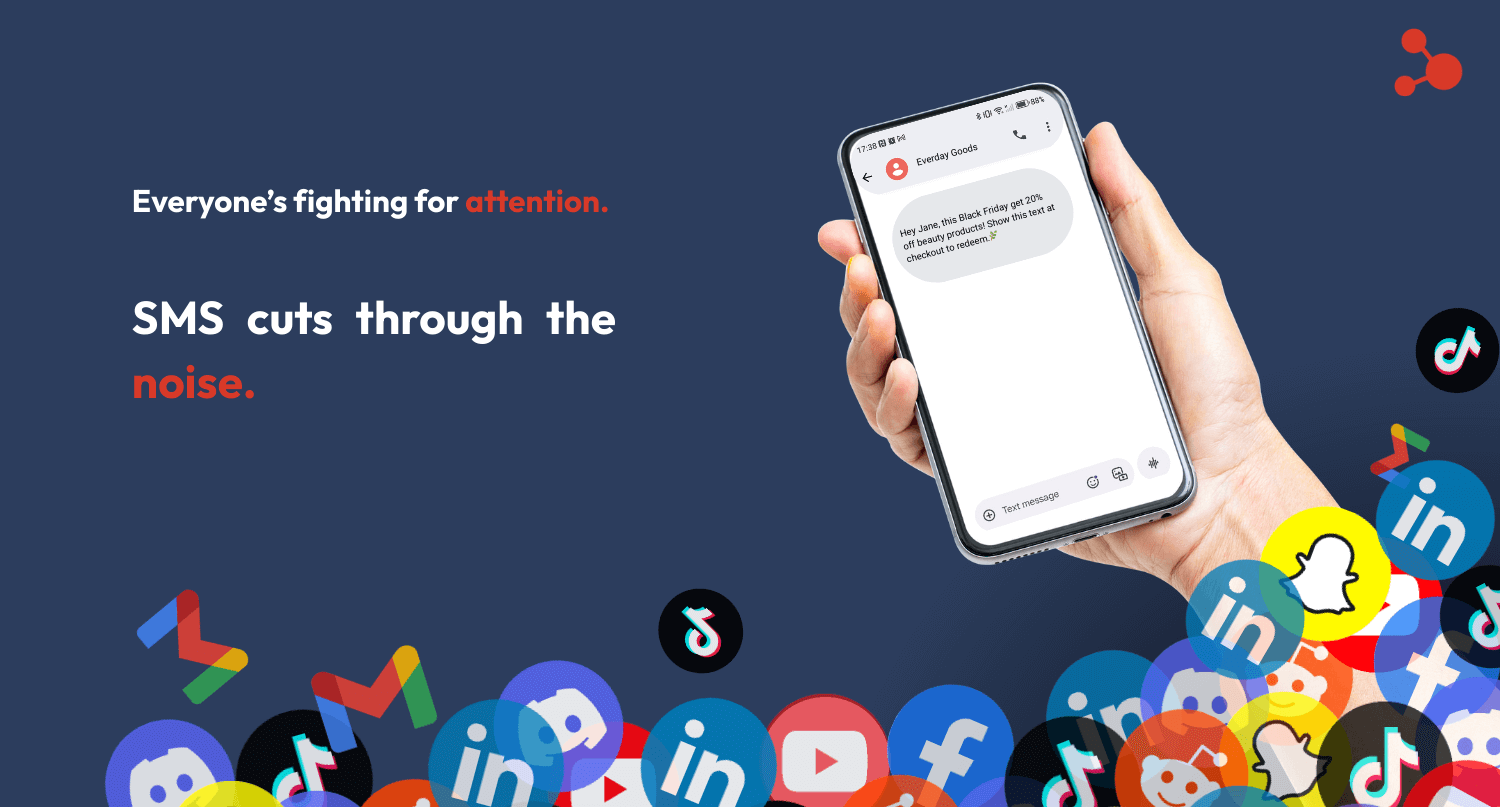
SMS cuts through noise, reaches almost everyone in the country and delivers important information in seconds. No apps, no logins, no barriers.
It reaches everyone instantly
SMS has near universal reach in Ireland. It does not require a smartphone, data plan or specific app. Whether messaging a student or an older customer, SMS reaches people reliably.
It delivers standout read and engagement rates
SMS earns immediate attention:
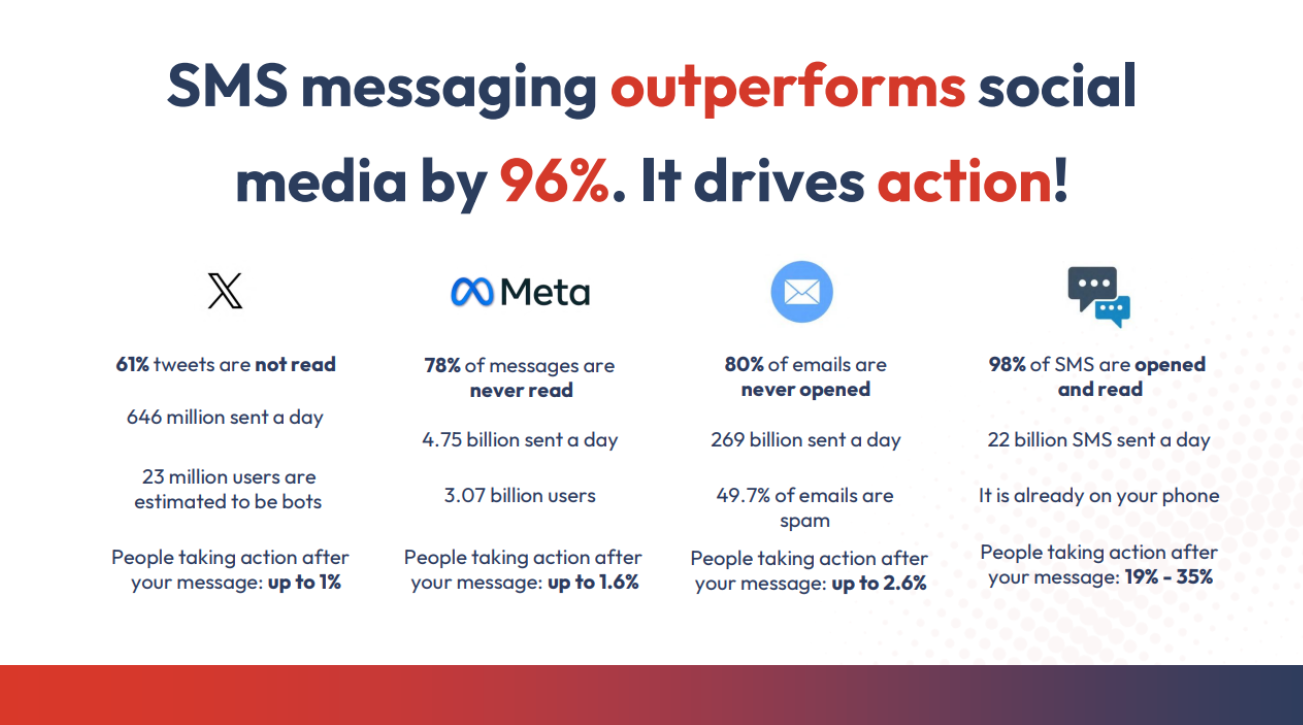
• around 98 percent of SMS messages are opened
• most are read within minutes
• click through rates typically reach 10–35%, compared with around 2% for email
For essential communication, nothing else matches this level of engagement.
It is the most trusted official communication channel
Irish customers expect important updates to arrive by text:
• appointment reminders
• delivery notifications
• account alerts
• verification codes
• essential service updates
SMS feels official, trusted and personal. It gives customers confidence that the information is genuine and requires attention.
It cuts through digital clutter
Email inboxes are crowded. Social feeds are busy. App notifications are easily missed.
SMS stands apart because it is short, direct and typically read immediately. Messages do not get buried, and customers treat them as practical prompts rather than background noise.
It strengthens operational efficiency
SMS helps reduce friction across customer operations. It can lower:
• missed appointments
• no show deliveries
• “where is my order” calls
• unnecessary follow up calls
• repetitive support tickets
Real world use shows:
• proactive SMS delivery updates can reduce “where is my order” calls by up to 65 percent
• SMS reminders can reduce missed appointments by more than a third, with some campaigns decreasing no shows by up to 38%
A well timed message can save hours of staff time each week and keep schedules running smoothly. Using SMS for alerts like this is an easy win.
It supports essential authentication and security flows
SMS remains a dependable channel for:
• one time passwords
• two factor authentication
• suspicious activity alerts
• account verification steps
Because SMS works on almost every device and does not depend on app permissions, it stays reliable even when customers have limited connectivity or rarely open your app.
It performs exceptionally well for marketing when used respectfully
When customers have opted in, SMS becomes one of the highest performing marketing channels available.
• click through rates often reach 10 to 32%
• response rates are significantly higher than most digital channels
• well targeted SMS campaigns can return up to €65 in revenue for every €1 spent
• marketing messages require far fewer sends to achieve strong engagement
VIP clubs, loyalty programmes, exclusive offers and early access campaigns all perform exceptionally well when SMS is used with clear value and respectful frequency.
It is simple and predictable
Customers appreciate SMS because it is straightforward:
• they know who the message is from
• they understand why they received it
• the action is clear
• opt outs are simple and immediate
There is no app to install and no interface to learn. This simplicity supports better customer experiences.
It integrates cleanly with existing systems
SMS fits naturally into tools organisations already use, including:
• CRM and marketing platforms
• booking and scheduling systems
• e commerce and order management
• customer service tools
• logistics and delivery platforms
• authentication systems
API based integrations make it easy to automate messages, personalise content and build consistent journeys without changing existing workflows.
It remains highly cost effective
Compared with missed appointments, lost revenue or slow email engagement, SMS provides exceptional value.
A timely SMS can increase sales, reduce confusion, improve satisfaction, and automate routine updates.
SMS works even better alongside other marketing channels
SMS enhances the performance of email, social media, app notifications and digital advertising.
Where email provides detail, SMS provides urgency.
Where social builds awareness, SMS drives the action.
How SMS complements your marketing
• email = depth; SMS = speed
• social = awareness; SMS = conversion
• apps = active users; SMS = full reach
Example
If an email goes unopened for twenty four hours, an SMS reminder can complete the journey and prevent missed revenue.
SMS strengthens — not replaces — your other channels.
The Three Types of SMS in Ireland (2026)
This guide focuses on messaging strategy, delivery, and performance. Understanding the three types of messages is key to have an effective strategy. It’s also very important when it comes to compliance. For a full breakdown of Irish compliance, see our Definitive Guide to SMS Compliance in Ireland.
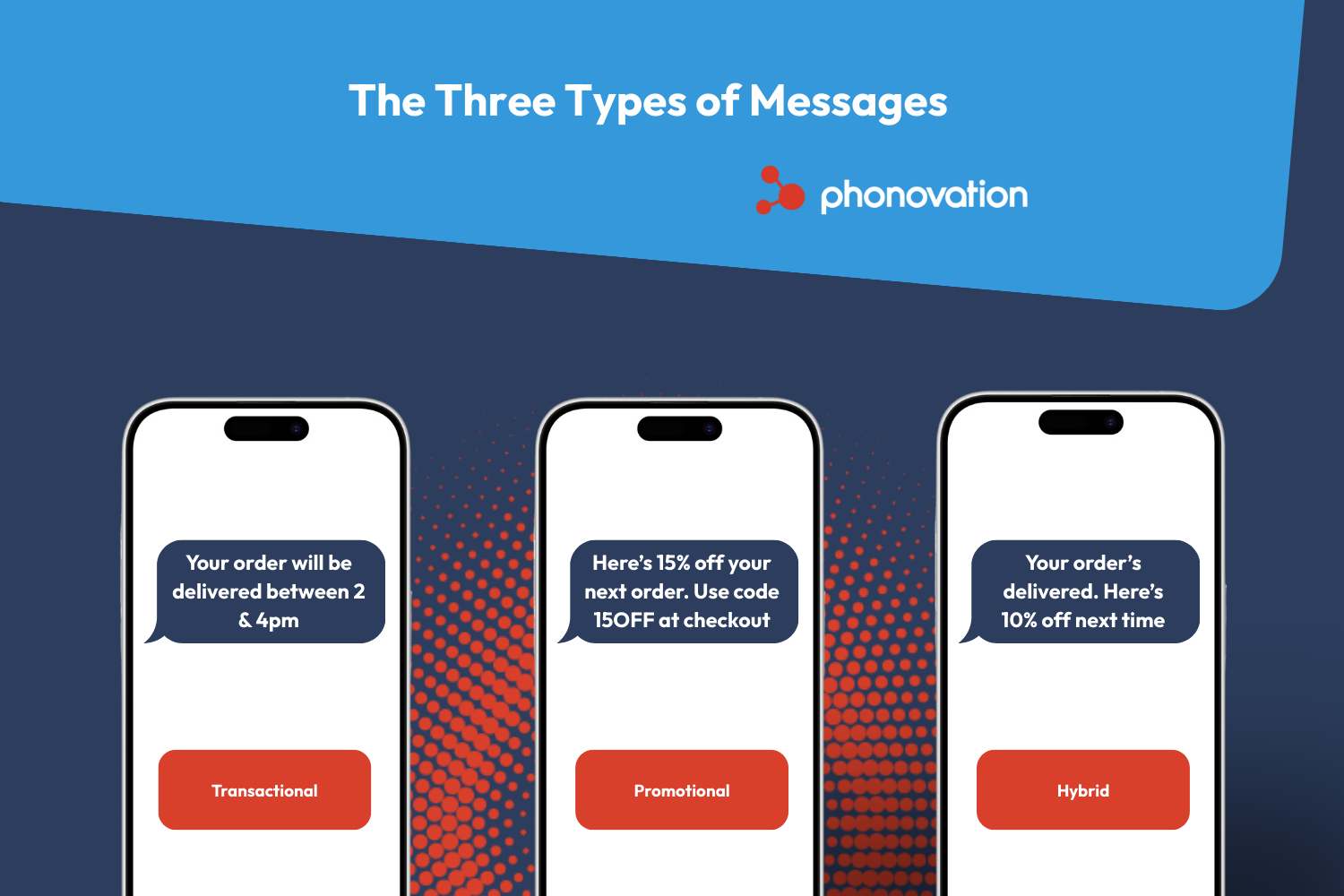
Promotional SMS
Designed to:
• promote
• sell
• invite
• drive revenue or loyalty
Examples:
• Twenty percent off this weekend
• VIP early access starts today
Rule: Requires explicit SMS consent.
Transactional SMS
Supports a service the customer is already using.
Examples:
• reminders
• confirmations
• delivery updates
• alerts
• password resets
Rule: Does not require promotional consent. Must remain strictly service related.
Hybrid SMS
Combines service information with a promotional call to action.
Examples:
• Your order is ready. Enjoy ten percent off your next purchase
• Your appointment is tomorrow. Book your follow up early at a reduced rate
Rule: If any promotion is included, it is promotional SMS and requires consent.
Understanding the three message types is essential because each one behaves differently across Irish mobile networks. Their rules affect Sender IDs, filtering, deliverability, and even how customers perceive your organisation.
With those foundations in place, we can look at how the Irish messaging landscape now operates in 2026.
Sender IDs — The Non-Negotiable Identity Requirement
2025 brought meaningful changes in how SMS is delivered, verified, filtered and protected in Ireland. These developments make messaging safer for consumers and more predictable for organisations that send compliant traffic.
Here are the shifts shaping the market:
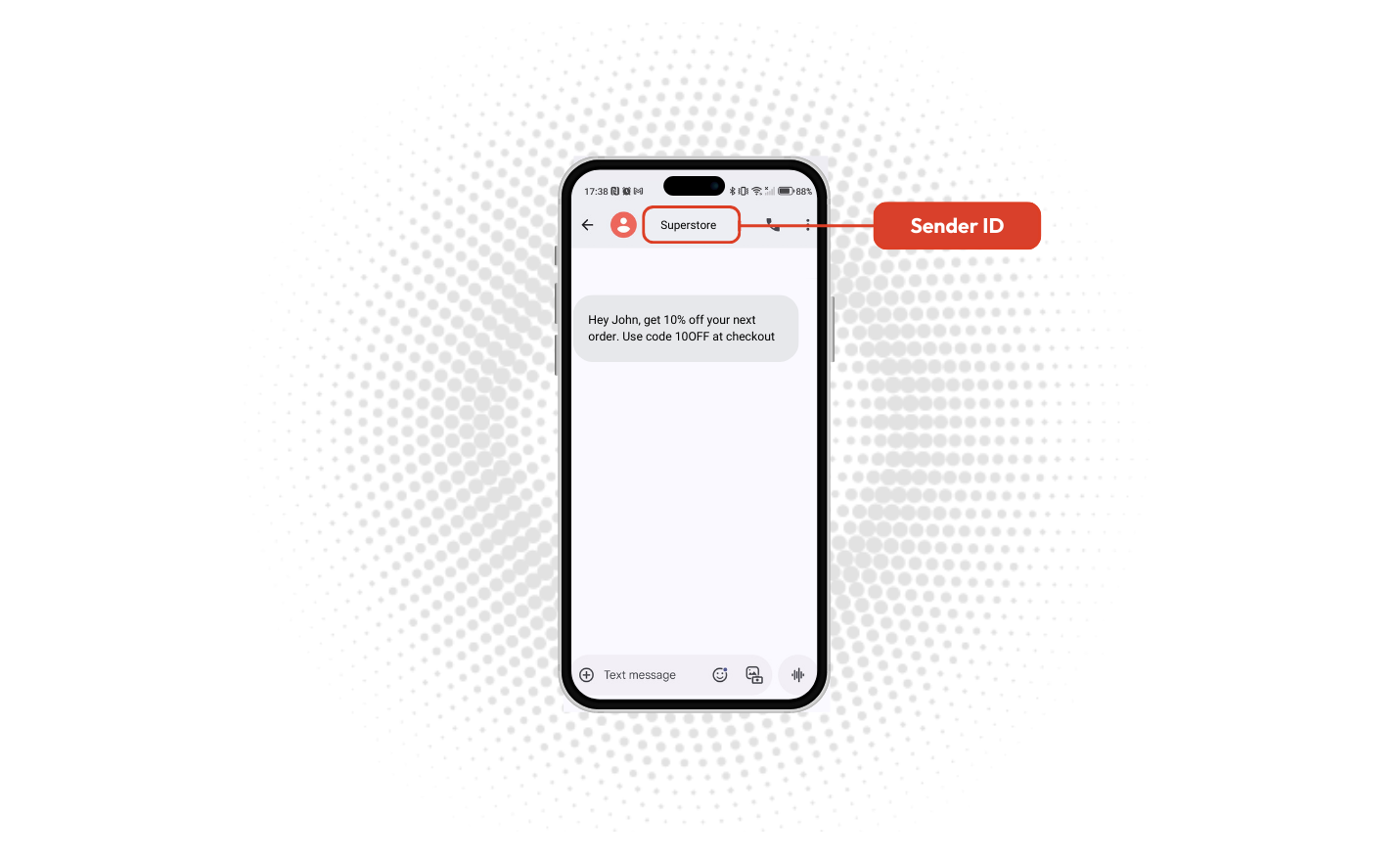
Sender IDs are now mandatory
Irish mobile networks require organisations to use a registered, verified Sender ID.
This prevents spoofing, enhances trust and improves delivery.
Unverified or anonymous SMS is now heavily filtered or blocked.
Filtering is stricter across all networks
All operators have strengthened their fraud detection and content filtering systems.
Messages that use:
• unapproved routes
• inconsistent Sender IDs
• suspicious links
• irregular volume patterns
are far more likely to be stopped before reaching the handset.
Using a compliant messaging provider is now essential.
Ireland is seeing more fraud attempts
Stricter controls protect customers from smishing and impersonation. Verified Sender IDs and trusted routes are essential.
Transactional messaging continues to grow
Delivery updates, appointment reminders, account alerts and security codes are more widely used than ever.
Organisations rely on SMS for operational communication because it is fast, universal and dependable.
Customer expectations are higher
People now expect:
• clear identification
• relevant content
• predictable frequency
• easy opt outs
• trustworthy links
Organisations that meet these expectations see higher engagement and fewer complaints.
Delivery in 2026 — How SMS Reaches the Phone
Every SMS travels through a delivery infrastructure built on trust, routing quality and established relationships with Irish mobile networks. Understanding how messages move from your system to a customer’s device helps organisations choose the right provider and avoid unnecessary disruption.
Reliable delivery does not happen by accident. It comes from compliant routing, strong identity controls and direct operator connectivity.
There are two primary ways SMS traffic reaches Irish phones. The difference between them has a major impact on delivery performance, brand trust and message integrity.
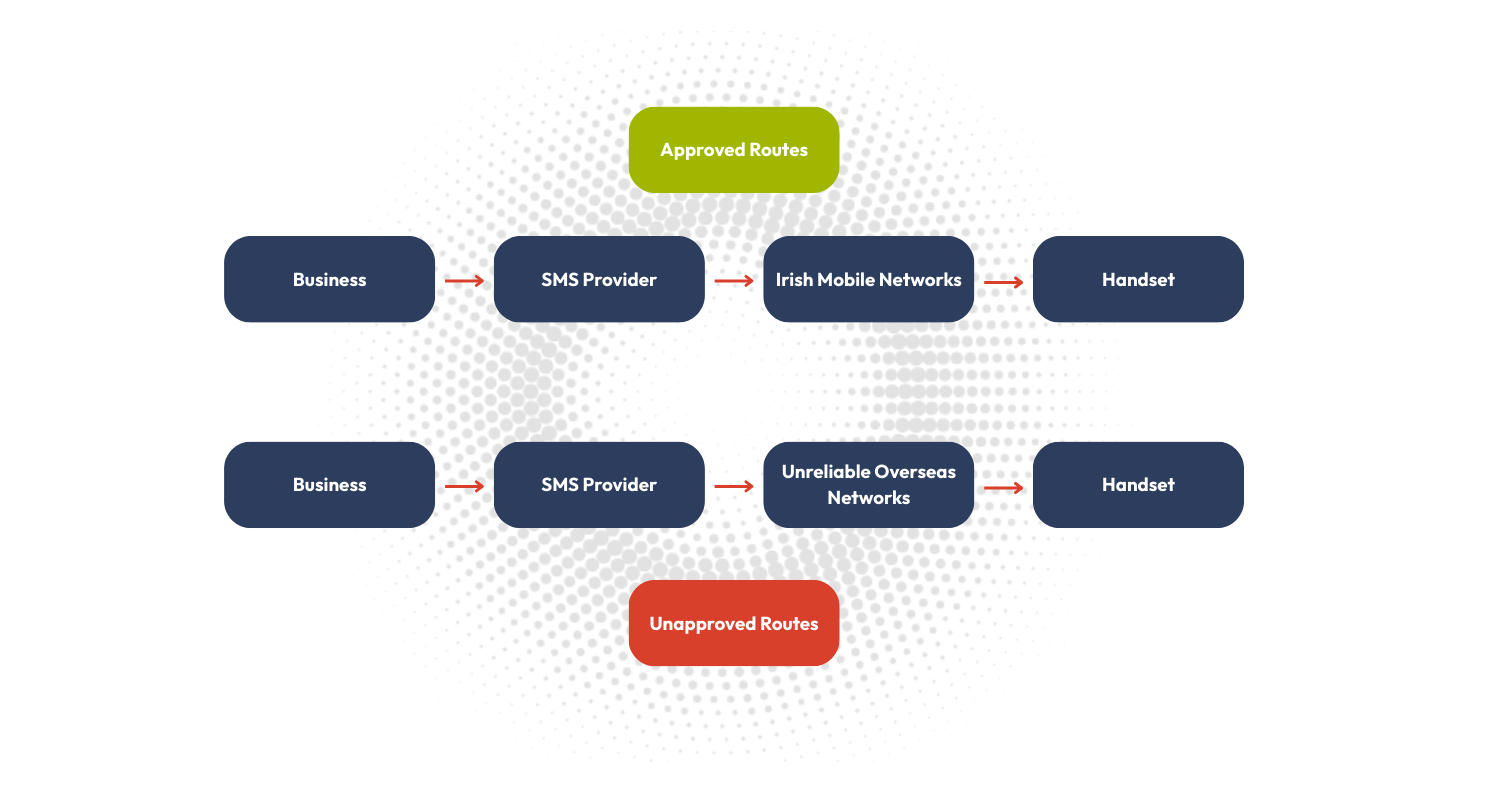
Direct operator routes (recommended)
Direct routes connect straight into Irish mobile networks. They:
• follow approved and compliant pathways
• provide consistent and predictable delivery
• protect your registered Sender ID
• support audit trails and transparent reporting
• maintain message integrity end to end
Direct connectivity ensures your messages are treated as legitimate and trusted by operators.
Grey routes (avoid)
Grey routes divert traffic through unapproved or international pathways. They:
• are increasingly filtered or blocked
• frequently break or alter Sender IDs
• risk delayed or inconsistent delivery
• weaken identity protection
• create compliance and brand reputation issues
While grey routes may appear lower cost, the risks often outweigh the savings. Poor delivery leads to missed appointments, failed authentication, frustrated customers and damaged trust.
A note of caution when choosing a provider
Not all providers clearly disclose whether they use grey routes. Some describe routes as “affordable,” “international,” “shared,” or “dynamic,” without stating that they bypass direct operator connectivity.
Organisations should always confirm that:
• their traffic is delivered through direct, approved Irish operator connections
• their Sender IDs are fully registered and protected
• their routes are compliant with current Irish network standards
If this reassurance is not provided, it is a warning sign.
How networks filter messages
Irish mobile networks apply advanced filtering technologies designed to protect customers from fraud and unwanted traffic. These filters have become significantly stricter in recent years.
Networks screen for:
• unknown or unverified Sender IDs
• suspicious or misleading links
• high risk or deceptive wording
• unusual volume spikes
• spoofing or identity abuse
• inconsistent routing paths
A reputable SMS provider ensures traffic is compliant long before it reaches the network. This reduces filtering, protects your Sender ID and safeguards your customer experience.
Why reliable routing matters
Strong routing supports:
• customer trust
• appointment attendance
• delivery workflows
• secure authentication
• brand reputation
When a message arrives late, appears from the wrong Sender ID or fails to deliver, customers lose confidence. Operational workflows break down. Security processes weaken. Business outcomes are affected.
This is why choosing the right SMS provider is essential. Phonovation uses approved routes, maintains direct binds with Irish mobile networks and protects message identity and integrity from submission to handset. This ensures every message is delivered clearly, safely, and consistently.
Building a High Performing SMS Strategy
A strong SMS programme supports customer journeys and delivers information clearly and respectfully. These principles help Irish organisations build SMS strategies that customers trust and that teams can rely on.
Know the purpose of every message
Every SMS should have a single, defined purpose. Before sending, ask:
• Are you informing
• Are you reminding
• Are you confirming
• Are you inviting
• Are you promoting
The purpose determines the message type and the rules that apply. Clear purpose also prevents unnecessary content that can dilute impact or trigger filters.
Craft messages customers want to read
Effective SMS messages are concise, relevant and human. They get to the point quickly and make the next step obvious.
A strong message is:
• concise
• relevant
• friendly
• helpful
• timely
• easy to understand
Key elements of high performing SMS:
• Tone: warm and respectful
• Length: 120 to 160 characters is often ideal
• Clarity: remove unnecessary wording
• Personalisation: keep it light and appropriate
• Links: always use trustworthy, branded domains
Great SMS feels like a helpful nudge, not a broadcast.
Avoid content that triggers filtering
Avoid:
• unfamiliar short links
• suspicious formatting
• misleading urgency
• text resembling fraud patterns
Send messages at the right time and frequency
When you send a message matters almost as much as what you send.
In Ireland, the most effective times include:
• mid morning, ten to eleven
• early afternoon, one to three
• early evening, five to seven
Avoid early mornings, late nights and days of national disruption.
Frequency should be consistent and modest. High message volume leads to opt outs and reduces long term engagement. Customers respond best when communication feels timely, not intrusive.
Quick guide to getting messaging right
• one purpose
• one action
• consistent Sender ID
• trusted links
• respectful timing
• modest frequency
Integrating SMS via API in 2026
For many Irish organisations, one effective option is to integrate SMS directly into existing systems rather than sending messages manually. API-based SMS integration makes this possible.
An SMS API allows organisations to trigger messages automatically from the platforms they already use, such as booking systems, CRMs, e-commerce platforms, support tools and authentication systems. This supports real-time, event-driven messaging while reducing manual effort.
Common API-driven SMS use cases include:
appointment confirmations and reminders sent automatically
delivery and order status updates triggered by system events
one time passwords and authentication codes
service alerts and outage notifications
follow up messages after key customer interactions
API integration can improve consistency, speed and reliability. Messages are sent at the right moment, with the correct content, using a registered Sender ID and approved delivery routes.
Phonovation’s SMS API is designed to support secure, compliant messaging in Ireland. It integrates cleanly with existing workflows, supports high-volume and time-sensitive messaging, and ensures delivery through direct operator connections.
For organisations looking to automate SMS or embed it more deeply into customer journeys, API integration provides a flexible and scalable approach.
Integrating SMS With Your Customer Journey
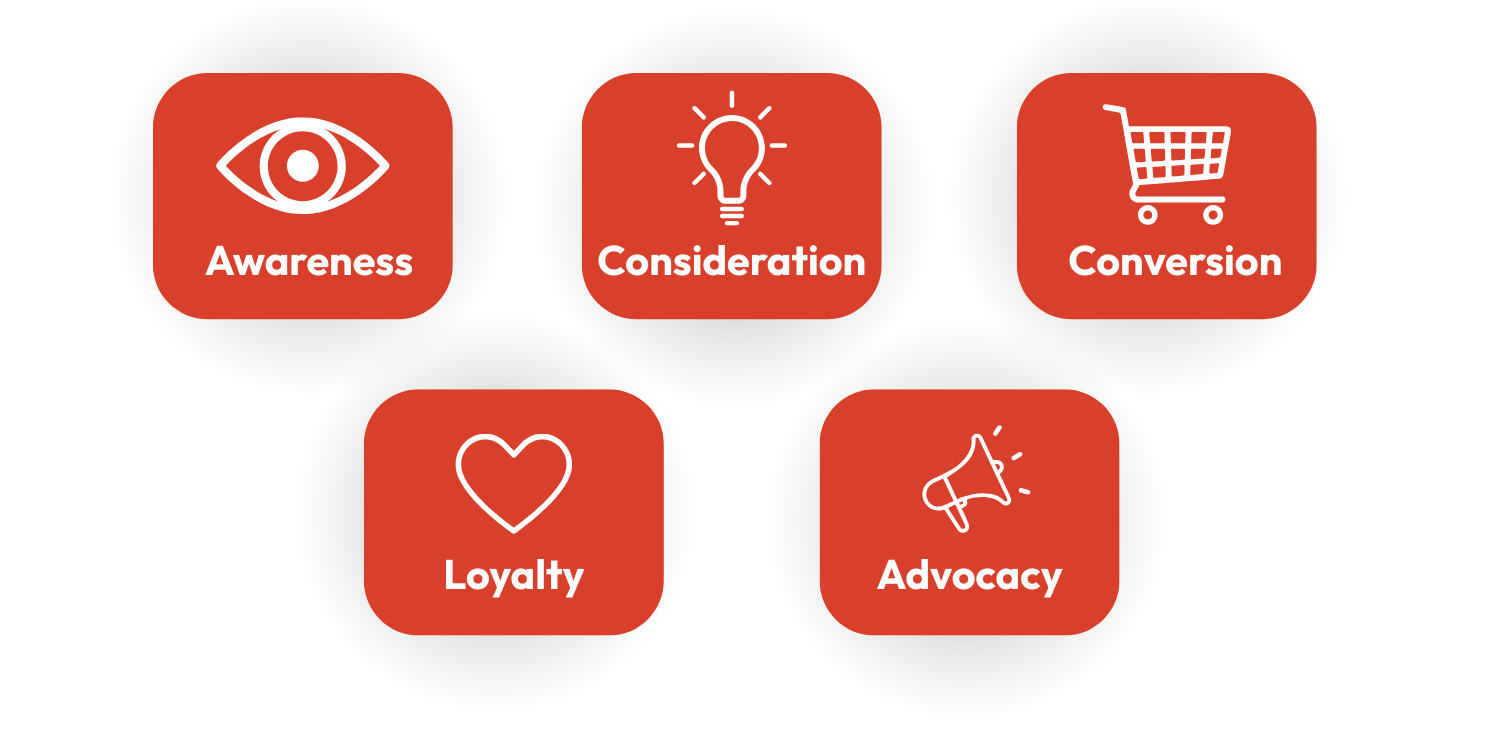
SMS works best when used as part of a coordinated customer experience.
Here are the most common high value use cases in Ireland.
Appointment Flows
Useful for:
• clinics
• salons
• healthcare
• government appointments
• professional services
Text reminders reduce no shows and improve satisfaction.
Delivery and Order Updates
Customers expect fast, accurate updates for:
• e commerce orders
• takeaway deliveries
• local services
• returns
• repairs
SMS provides reassurance and real time visibility.
Customer Service and Support
SMS can enhance:
• queue updates
• issue tracking
• callback confirmations
• after care messaging
It provides clarity without overwhelming call centres.
Feedback and Reviews
A well timed SMS request for feedback delivers high response rates and strengthens customer relationships.
Security and Authentication
SMS remains a trusted channel for:
• login codes
• account alerts
• suspicious activity notifications
Customers recognise SMS as credible and urgent.
VIP Clubs and Loyalty Programmes
SMS only benefits feel exclusive and personal.
VIP clubs in retail and hospitality see exceptionally strong performance.
SMS Consent, Opt Outs and Compliance in Ireland
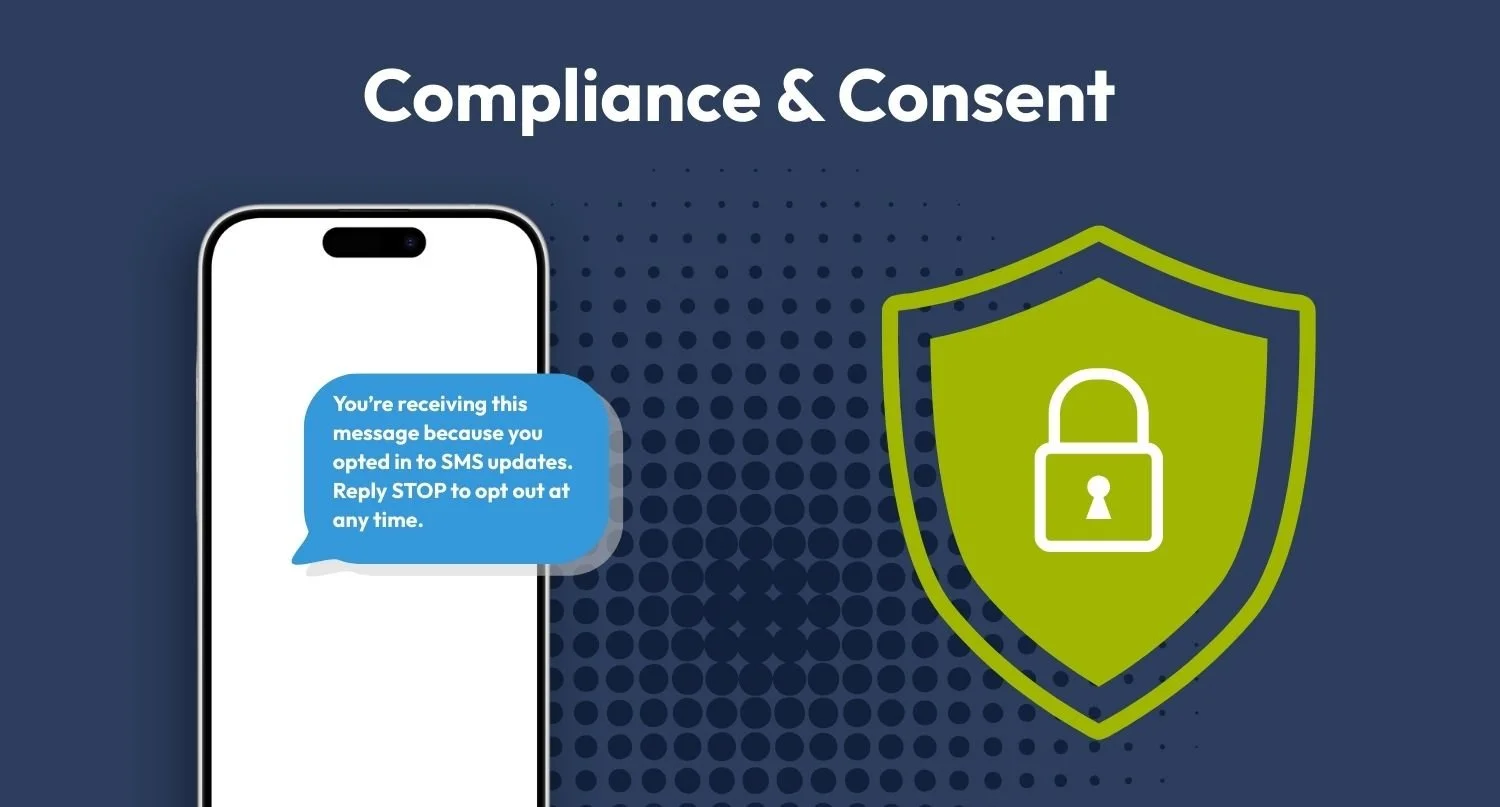
This guide focuses on SMS strategy, delivery and performance rather than providing a full legal or regulatory breakdown. However, understanding the basics of compliance is essential for any organisation using SMS in Ireland.
Here is a high-level summary of how SMS compliance works in 2026.
Message type rules
Promotional messages
✔ require explicit SMS consent
✔ must include a simple and immediate opt-out
✔ must clearly identify the sender
Transactional messages
✔ do not require promotional consent
✔ must be expected by the recipient
✔ must be necessary and strictly non-promotional
Hybrid messages
✔ must be treated as promotional if they include any marketing content
✔ therefore require consent and an opt-out
Operational compliance essentials
Beyond message classification, Irish networks and regulators also expect organisations to follow core operational standards.
✔ use a registered and verified Sender ID
✔ send messages through compliant, approved routes
✔ keep consent records accurate and up to date
✔ remove opted-out numbers immediately
✔ protect customer data and message content
✔ avoid misleading links or deceptive wording
✔ maintain predictable frequency and purpose
Compliance is clearer than it has ever been in Ireland, but it must be applied consistently. Organisations that prioritise identity, consent hygiene and data protection see better delivery, stronger engagement and far fewer customer complaints.
SMS Performance Benchmarks in Ireland (2026)
Typical performance in Ireland:
• open rate: 95%+
• click rate: 10–35%
• conversion: 5–15%
• response: 20–35%
• opt out rate: 0.5–1.5%
• delivery rate: 98–99% on approved routes
Strongest sectors: retail, hospitality, healthcare, logistics, utilities, services.
Measuring, Testing and Improving SMS Performance
1. Delivery Rate
Shows whether messages are actually reaching devices.
Low delivery rates indicate poor routing, bad data, or content that triggers filters.
2. Open Rate
Usually 95%+ — but you’ll only know this if tracking links or replies.
3. Click-Through Rate (CTR)
Measures link engagement.
A strong CTR (15–35%) = relevant content + good timing.
4. Conversion Rate
The most important metric for marketing.
Examples: booking made, purchase completed, form filled.
5. Response Rate
For 2-way messaging, this shows interaction quality.
6. Opt-out Rate
High opt-outs indicate:
poor message relevance
too many messages
unclear expectations
7. Time-to-Action
How quickly customers respond after receiving an SMS.
This helps optimise send-times and predict customer behaviour.
How to use these metrics to improve SMS performance
Most organisations don’t need to optimise every metric at once. The highest impact comes from focusing on the right signals in the right order.
Start with delivery rate.
If delivery is below 98%, everything else becomes unreliable. Investigate routing quality, Sender ID status and content filtering.
Next, review click-through and response rates.
Strong engagement (15–35%) usually reflects clear purpose, good timing and relevant content. Weak engagement often points to over-messaging, unclear calls to action or poor segmentation.
Then assess conversion and time-to-action.
Fast responses indicate messages are arriving at the right moment. Slow or low conversion suggests timing or friction in the follow-up journey.
Finally, monitor opt-out rates as a long-term health signal.
Consistently high opt-outs mean expectations aren’t being met. This is often caused by excessive frequency or unclear opt-in messaging.
Improvement comes from small, controlled tests:
adjust timing
simplify wording
refine audiences
test message length
review links and landing pages
SMS performance improves most when measurement leads directly to action.
The Future of SMS (2026–2028)
Messaging will continue to evolve, but SMS will remain central.
Key trends include:
increasing reliance on transactional flows
stronger anti-fraud controls
improved identity verification
continued relevance alongside WhatsApp and RCS
AI-driven personalisation
network-level authentication
greater focus on message quality
more integration with customer platforms
SMS is not going away, it’s becoming more trusted, more regulated, and more essential.
Common Mistakes Irish Businesses Make With SMS (And How to Avoid Them)
Most SMS issues are not intentional, they usually stem from unclear internal processes or outdated assumptions. Here are the mistakes we see most often in Ireland, and how to avoid them.
Using unregistered or inconsistent Sender IDs
This leads to:
• filtered messages
• customer confusion
• poor trust signals
Fix:
Register a single, consistent Sender ID and use it across all teams. Occasionally a business may need multiple ID’s if this is the case, keep it to as few as possible and make sure each of them is registered and clear E.g “Business Support” and “Business Sales”
Mixing promotional content into transactional messages
One of the most common compliance mistakes.
Example:
“Your appointment is tomorrow — and get 10% off products!”
If the message contains any promotion, it is considered marketing and requires consent.
Fix:
Keep transactional messaging clean and purely service related.
If you want to include promotions in your transactional messages, keep your lists clearly segmented by consent to make sure that only people who have opted into SMS marketing will receive them.
Using suspicious or generic links
Unbranded or shortened links reduce trust and trigger filtering.
Fix:
Use branded domains and avoid generic shorteners like bit.ly or tinyurl.
Sending long, email-style messages
SMS should be short and skimmable. Long text reduces engagement.
Fix:
Focus on one purpose per message.
Over-messaging customers
Too many messages lead to opt outs and reduced impact.
Fix:
Set internal frequency caps and match expectations communicated at opt in.
No clear call to action
Messages without a clear action confuse customers.
Fix:
Decide the goal of each message and make the action obvious.
Sending at the wrong time
Early mornings, late nights or off-peak times reduce effectiveness.
Fix:
Follow Irish consumer behaviour data: 10–11am, 1–3pm or 5–7pm.
Using low-quality or “cheap” SMS routes
This leads to:
• message blocking
• broken Sender IDs
• delivery delays
Fix:
Use a trusted provider with direct operator connectivity — not grey routes.
Not testing messages before sending
Templates can contain typos, broken links or formatting issues.
Fix:
Test every message internally before sending.
Not syncing opt outs across systems
A major cause of customer complaints.
Fix:
Ensure opt outs are applied instantly across all platforms.
Choosing the Right SMS Provider Matters
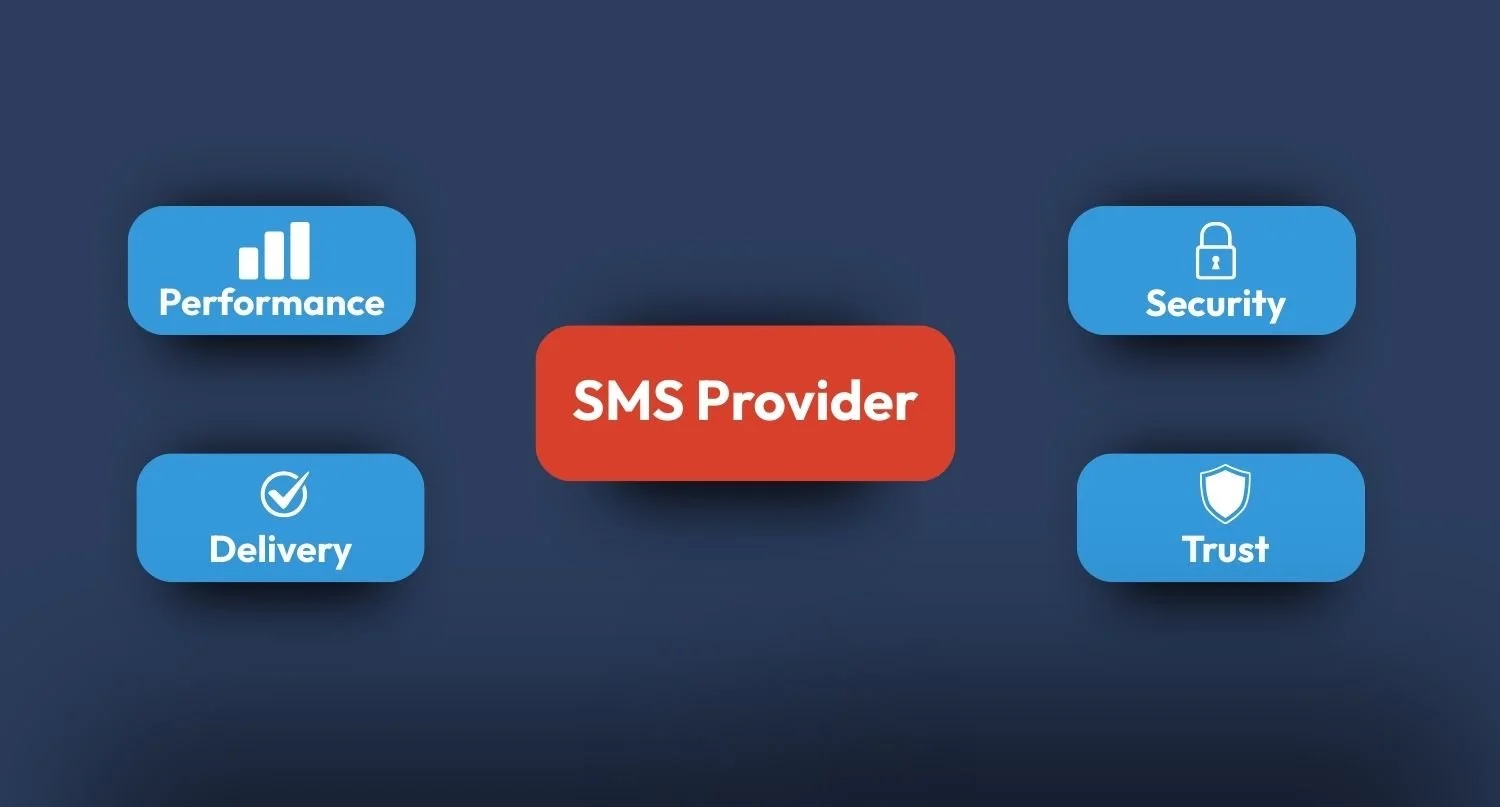
In today’s stricter messaging environment, your SMS provider directly determines whether messages arrive, how they appear on the handset, and how they are trusted by both mobile networks and customers.
Delivery failures, blocked messages, broken Sender IDs or delayed alerts are rarely caused by SMS itself. In most cases, they result from routing quality, identity controls and provider practices behind the scenes.
A strong provider protects your messaging at the network level. They ensure messages follow approved routes, Sender IDs remain consistent and verified, and traffic patterns align with operator expectations.
This reduces filtering, prevents disruption, and safeguards customer trust.
A weak provider, by contrast, introduces risk. Missed appointments, failed authentication, customer complaints and reputational damage are often the downstream effects of poor delivery choices.
In a channel customers rely on for important information, reliability is not optional. The provider you choose becomes part of your operational and security infrastructure.
What to look for in an SMS provider:
compliant routing
Sender ID registration and protection
reliable, predictable delivery
secure infrastructure
transparent reporting
fraud and filtering protection
local expertise and support
Phonovation is built on these principles — ensuring your messages reach customers clearly, safely and consistently.
FAQ — Common Questions About SMS in Ireland
Is SMS still effective in 2026
Yes. Open rates exceed ninety five percent and customers expect important updates by text.
Do I need consent for marketing SMS
Yes. Promotional and hybrid SMS require clear consent and must include an opt out.
What is a Sender ID
The name customers see as the sender. It must be registered and verified.
Transactional vs promotional SMS
Transactional supports a service in use. Promotional drives action or revenue.
Are cheaper “international” routes a risk
Yes. They often use grey routes, which break Sender IDs and reduce delivery.
Best times to send SMS
Mid morning, early afternoon and early evening.
How do I choose a provider
Look for direct operator connections, compliance support, transparent reporting and local expertise.
Conclusion: SMS Remains Ireland’s Most Trusted Messaging Channel
When something matters, people look to SMS.
It offers unmatched certainty, reach and speed — provided it is delivered safely, clearly and responsibly.
SMS remains one of the most effective tools available to Irish organisations, and with the right strategy and provider, it will continue to support communication in the moments that matter.
Talk to an SMS Expert
Not sure where SMS fits into your customer communications or whether your current setup meets Irish network standards?
Our team can help you plan, review or improve your SMS approach with confidence.